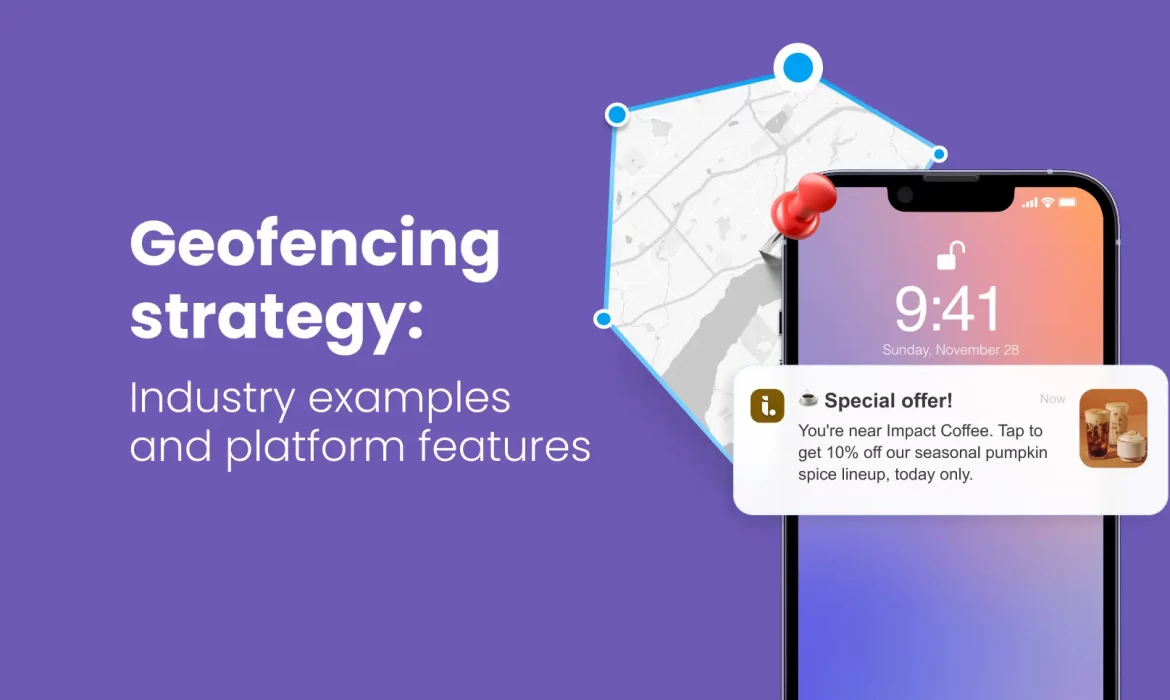
Geofencing marketing: the platform features behind a 30-60x jump in revenue per message
Last update: Sept, 2026
TL;DR
◆ Geofencing marketing may bring higher revenue than broadcast push in the same campaign, even with fewer users reached, because they target high intent at the right place.
◆ Geofencing creates a virtual boundary and triggers on real-time entry. Geotargeting works off broader location and behavior signals. Both have a place in an engagement strategy, especially for ecommerce and retail.
◆ Brands rarely run geofence alone. Pairing it with 2 or more channels makes unified first and zero party data and cross-channel delivery essential, which customer engagement platforms like Netmera provide.
◆ A geofencing marketing platform needs three capabilities: unifying and activating customer data, automating messages across channels since geofence alone is rarely sufficient, and showing geofence campaign results in a standalone dashboard.
◆ Best practices include creating location clusters, putting frequency and timing caps, using MCP to analyze and create geofences, and measuring location lift alongside other triggers.
Meet Chippin. Their campaigns and rewards were set up in the app, but plenty of users walking past a participating store had no idea a campaign was running there.
Chippin needed a geofencing marketing platform that could collect and unify customer data, run geofence technology and push notifications, and track results, all in one place. Netmera did this for them. (More on their story shortly.)
In this post: how marketing, CX, and customer engagement teams build high-performing geofence campaigns when their platform lets them connect location signals with complete customer context and act on location triggers in real time. Best practices, using an MCP server to launch geofence messages, and examples across telecom, finance, and media and entertainment.
Note to our readers: Netmera brings customer data and messaging channels into one platform, and geofence messaging is one of its strongest capabilities. Throughout this piece, “geofencing marketing platform” and “customer engagement platform” are used interchangeably wherever Netmera is the subject.
What is geofencing marketing?
Geofencing marketing uses virtual boundaries around physical locations, set with GPS or cellular technology, to decide when a brand reaches someone: a device entering or exiting that boundary triggers a message, like a push notification or an automated sequence, tied to that exact location and moment.
The geofence is the medium. The marketing is what a brand does with sending the message to the person because of where they physically are.
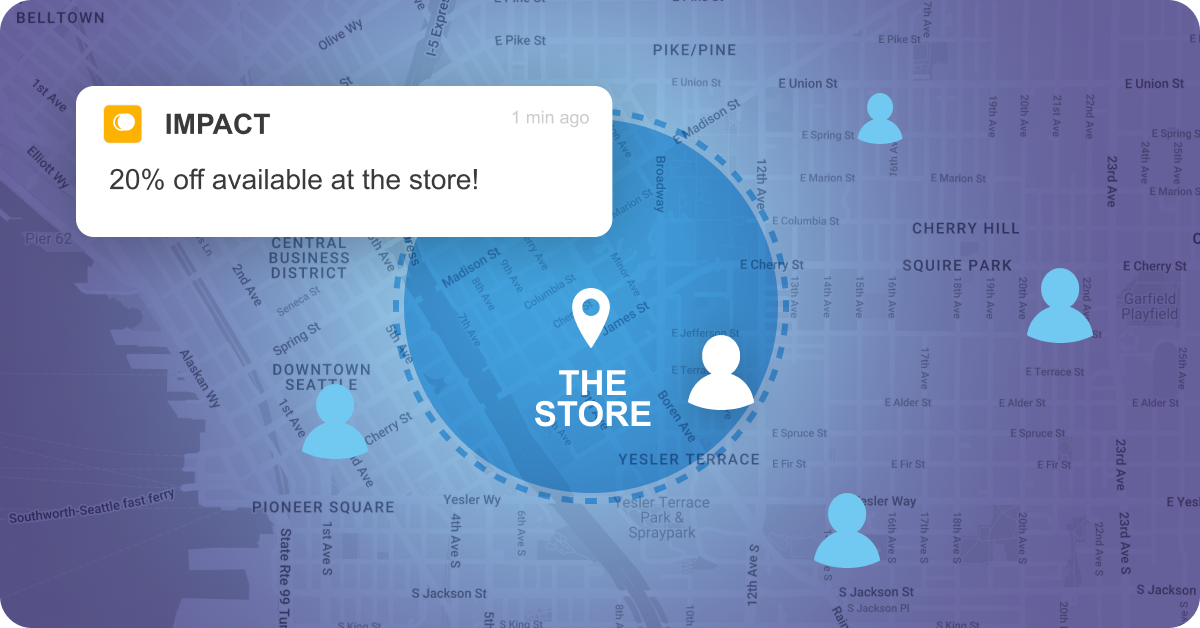
A geofence comes as a circle, a rectangle, or a custom shape. What we see across our customers is that a circle is the default for a single store or branch. A rectangle shows up for a street block or a parking lot, where the target area has a clear rectangular shape. A custom shape gets used for anything irregular: a mall footprint, a campus, an airport terminal, places where a circle or rectangle would miss part of the property.
Geofencing vs. geotargeting: Key differences
| Geofencing | Geotargeting |
|---|---|
| Creates a precise virtual boundary around a specific place. | Targets users based on broader location and behavior signals. |
| Triggers actions when a device enters or exits that area. | Delivers content to users in a city, region, or custom zone. |
| Uses GPS (with permission), Wi-Fi, Bluetooth, and cellular data. | Uses IP, GPS (with permission), Wi-Fi data, and profile attributes. |
| Ideal for real-time engagement near a point of interest. | Ideal for regional targeting and audience filtering at scale. |
We’ve compared geofencing and geotargeting against the broader concept of location-based marketing in a separate post if you want the fuller picture.
What to look for in a platform to increase revenue from geofence campaigns
When we ask customers what drove results on a geofence campaign, message copy rarely comes up first. It’s when data, messaging, and result tracking exist in one platform.
Unifying and activating customer data
When customer data lives in separate systems, teams spend their time exporting location events and building target lists just to match everything to a customer ID. Real-time response isn’t really possible under those conditions.
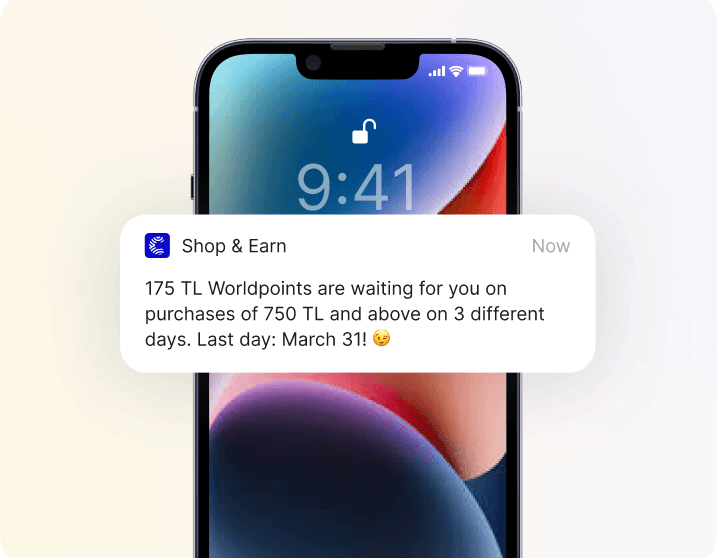
Chippin, the story we opened with, set up geofence triggers across three major retail partners through Netmera, unifying customer data with delivery in one system. Geofence-triggered push averaged an 8% open rate, 40 to 50 times higher than their broadcast push in the same period, and drove 30 to 60 times more revenue per message. A meaningful share of that revenue came from users who hadn’t purchased at that retailer in the previous month.
Sequencing channels from a single location trigger
Shoppers who think a brand’s cross-channel marketing is coordinated find those messages 17 times more helpful than shoppers who think it’s uncoordinated.
Two examples of effective cross-channel geofencing marketing where data, delivery, permission management, and journey logic run together:
A user walks past a pet store that’s geofenced. Push is enabled, so the geofence message reaches her. She doesn’t enter, doesn’t purchase.
Two days pass, and your customer engagement platform sees she’s in a segment of shoppers who buy a specific cat food roughly every two months. A WhatsApp message goes out referencing that product, using her cat’s name if her profile has it. Still no purchase.
One day later, an email arrives with the food’s nutritional benefits alongside a few complementary products from the same brand. She clicks the link, and the product page opens in the app through a deep link.
This was a fictional example, and here’s a real one from one of our customers:
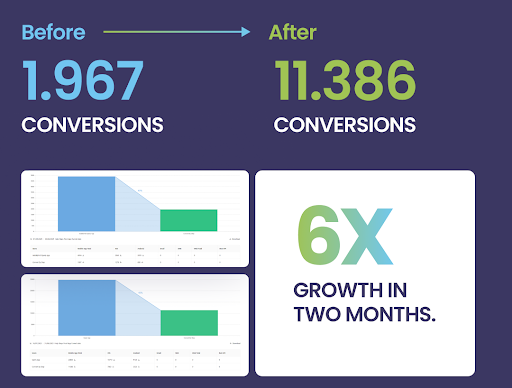
HelpSteps tracked real-time user behavior and built multi-channel automations through Netmera. Mobile widgets guided the journey while geofence reminders activated based on location. Email reinforced the message across touchpoints. In two months, they saw nearly 6x growth in conversion through this strategy.
Connecting location triggers to conversion
A few questions should be answered to see how well a geofencing campaign is doing. Did the location trigger drive incremental conversion? How does geofence performance compare to time-based or behavioral triggers? Where do users drop off after receiving a location message?
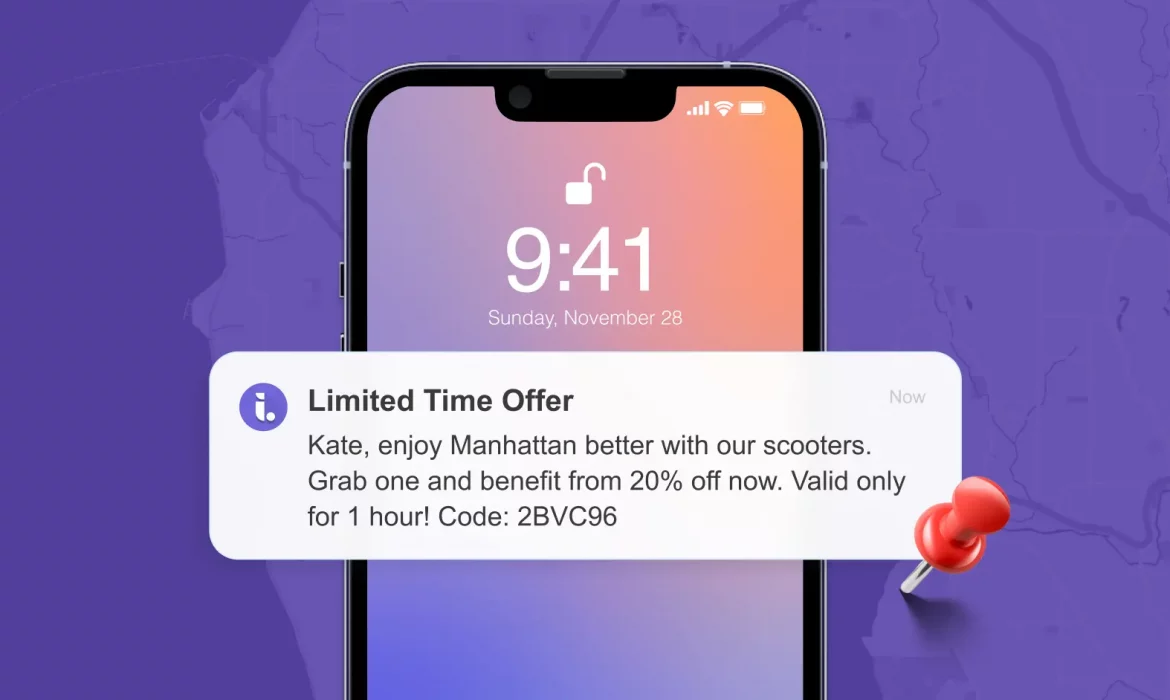
Netmera’s geofence summary cards show Best and Average Open Rate, plus Best and Average Conversion, for each campaign. A wide gap between best and average tells you one location or one message is driving the results, and the rest need a second look.
The performance table works at the campaign level: Direct App Opens, Revenue, Average Revenue, Average Time in App. That’s where you catch the campaign with a decent open rate but weak revenue per conversion.
Comparing two campaigns solely by launch date can mislead you. A password reset triggers the moment someone tries to log in, and people open it almost every time. A geofence promo triggers when someone walks into a store, a much smaller and different group.
Compare within the scenario instead. A geofence promo’s open rate matters next to other geofence promos, but has little to say next to a password reset that happened to go out the same day.
Six ways to improve geofencing targeting and conversion
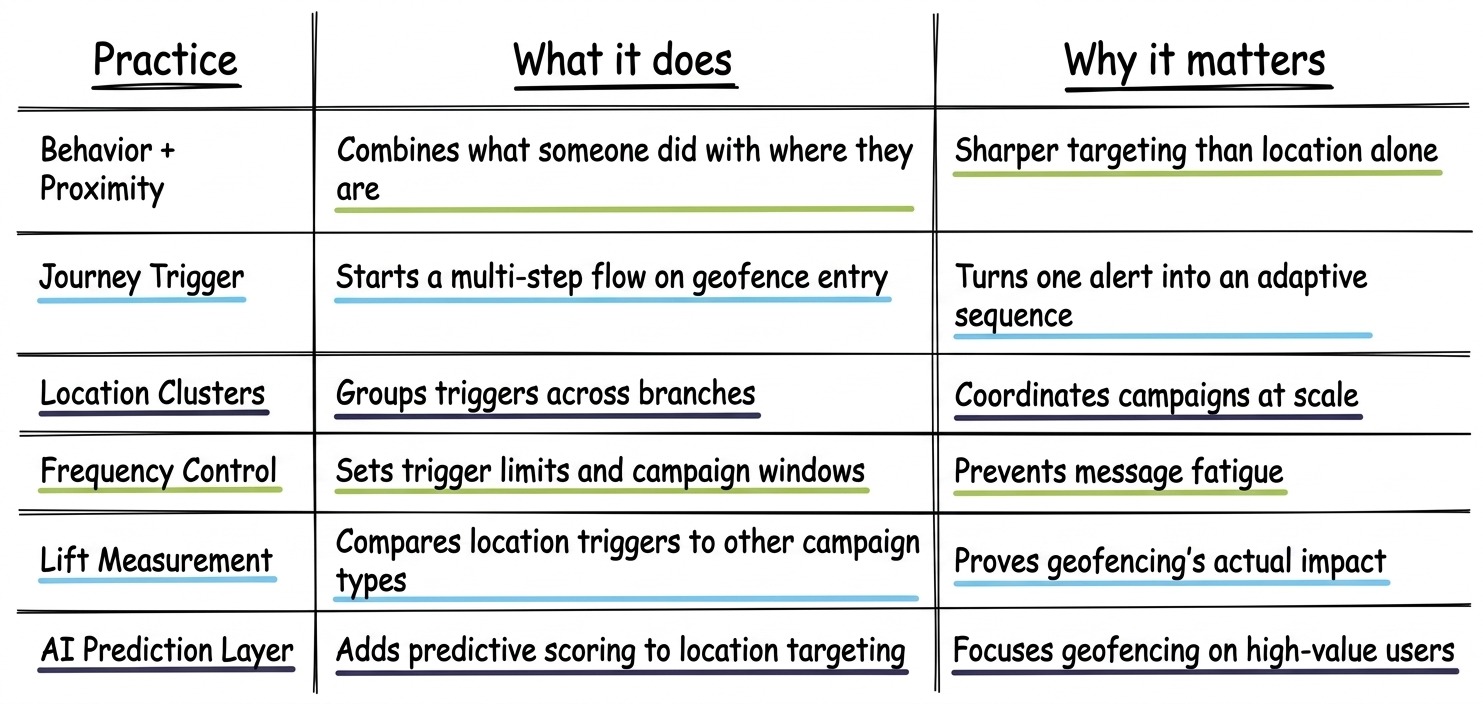
Target users by behavior and proximity. Targeting “users near store who browsed outdoor boots in last 48 hours and haven’t purchased” is more effective than “users near store” targeting, because it adds what someone did to where they are.
Build geofencing into multi-step customer journeys. A user enters a geofence, a journey starts, the path adjusts based on their response, and completion gets tracked across channels. This turns one-off location alerts into an engagement strategy that adapts to user behavior in real time.
Manage geofencing at scale with location clusters. Group location triggers let you coordinate campaigns across multiple branches simultaneously, which works well for retail chains, bank branches, or restaurant networks with several nearby locations.
Control when and how often location messages are sent. Trigger limits and campaign period controls respect the user experience: once per day, only during business hours, a maximum of two geofence messages per week.
Say a coffee shop wants a geofence message only during opening hours, and only once per visit. Entry and exit frequency set to “once per entry” stops the repeated messages. Campaign period restricted to 7 AM to 7 PM stops the message from going out outside that hour range.
Measure location lift alongside other triggers. Compare geofence conversion rates with time-based and behavioral triggers, and hold out a control group of users who receive no location message, so you can see what geofencing adds on its own.
Layer AI predictions onto location targeting. Use predictive AI to identify users who are likely to churn, likely to buy high-price items, or likely to buy certain products, then target them with geofence triggers.
These six strategies work together when your geofencing marketing platform includes unified customer data, behavioral and predictive segmentation, cross-channel journey automation, capping and suppression features, and analytics. This is how our customers build high-performing location campaigns without switching between tools or waiting on developers for tagging and segmentation.
Manage geofencing through the AI tools you already use
Netmera’s MCP server connects your geofencing data to any MCP-compatible tool such as ChatGPT or Claude, so you can work inside the AI tool you’re used to, prompting in natural language.
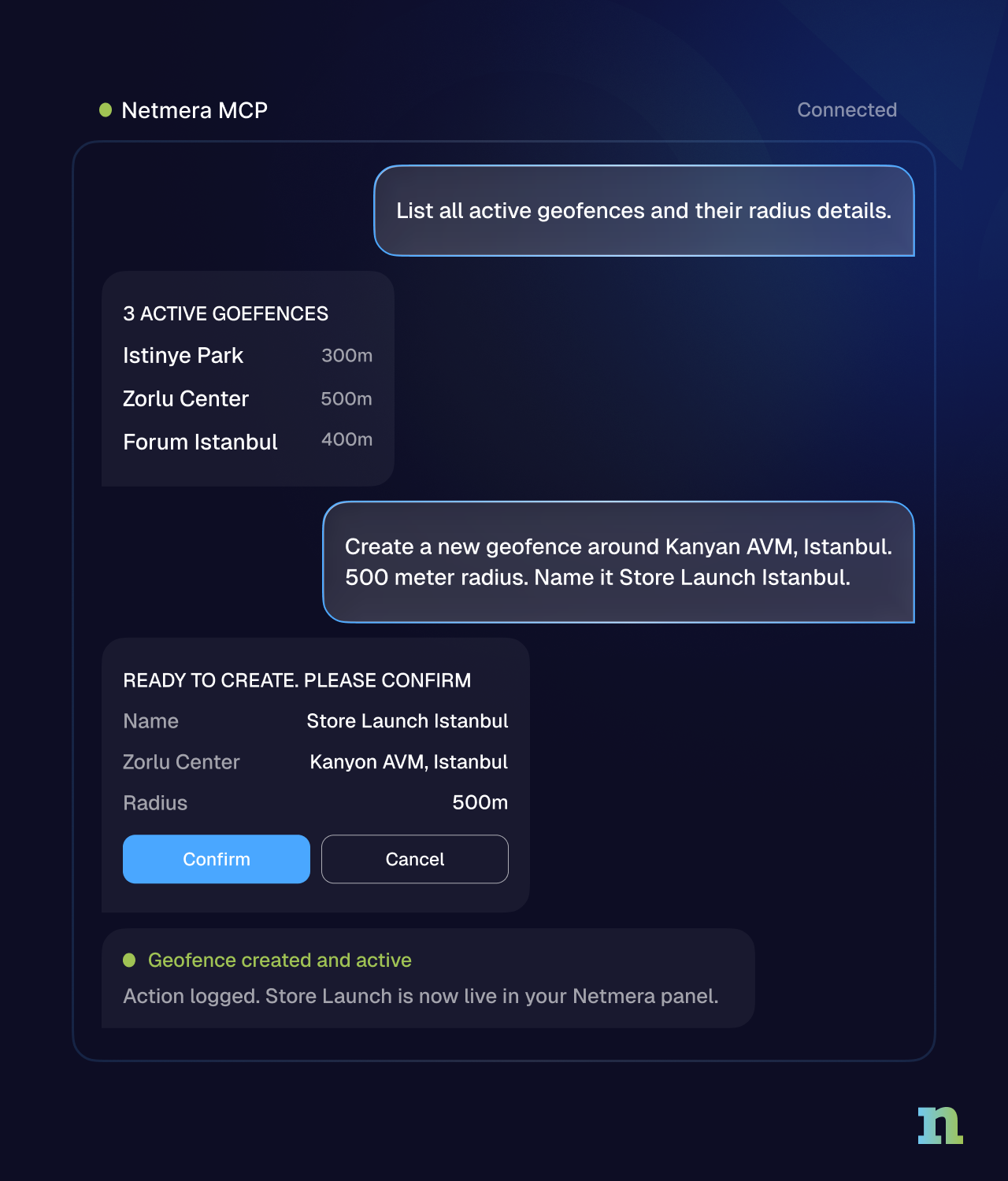
“geofence_list” and “geofence_detail” pull up every geofence you have, along with location, radius, and status, right inside that conversation. “geofence_create,” “geofence_update,” and “geofence_delete” let the same tool set up a new geofence, adjust an existing one, or remove one, based on what you ask it to do.
Write access comes with different permission requests and guardrails than read-only access, since creating or deleting a geofence changes what does or doesn’t reach a user’s active devices.
How different industries use geofencing for customer engagement and retention
Retail: drive foot traffic and personalized in-store experience
A customer browses your mobile app and adds noise-canceling headphones to their wishlist without purchasing. Two days later, they walk near your physical store. The geofence message says: “Your wishlist item is in stock at this location. 20% off in-store today.”
When they enter the store, a second trigger activates an in-app message. It suggests related items based on their browsing history, and displays current inventory levels. The location trigger connects to their unified profile, including wishlist data, past purchases, and browsing patterns, and delivers across the appropriate channel without manual coordination.
One of the major global coffee chains used Netmera’s location-based personalization combined with gamification features to increase user engagement and loyalty. The approach drove 15% growth in foot traffic and 25% increase in loyalty program participation.
Banking: trigger personalized offers near branches
A customer’s credit score improved recently, and that information lives in the bank’s backend system. When they walk near a branch, the geofence triggers a personalized message: “You now qualify for our premium card with better rewards. Speak with an advisor today,” with a direct appointment booking link. This scenario requires the location trigger to access the customer’s credit profile, account history, and product eligibility instantly.
Telecom: retention offers triggered by competitor proximity
When a user’s data consumption spikes to 80% of their monthly limit with 10 days remaining in the billing cycle, the system flags a retention opportunity. If that user walks near a competitor store, the platform sends a retention offer: “Add 5GB for $10 this month and avoid overage fees.”
A user attends a concert at a major venue. During the event, a geofence message goes out: “Enjoying the show? Watch exclusive backstage content and past performances in our app. Upgrade to premium for full access.” Location context combined with the viewing history and current subscription tier drives higher conversion than generic subscription prompts sent days after the event.
Across all these examples, proximity marketing pairs location awareness with real-time usage monitoring, competitor detection, and past behaviors and purchases. Brands reach customers when they’re evaluating alternatives, about to abandon a cart, or drifting toward inactive. Customers feel understood because the offer addresses what they need at that moment.
Nearly half of marketing technology decision-makers point to stack complexity and integration issues as barriers that prevent them from getting value from their tools.
Teams typically run four to seven separate tools depending on how many channels and data sources they’re working with: one to collect and sync data, another to segment it, others to send geofence triggers and other channel messages, a final layer to measure what happened. Everything disconnected. Put AI on top of that setup, and it inherits the same problem: no real context, predictions built on whatever fragment of the picture it can see.
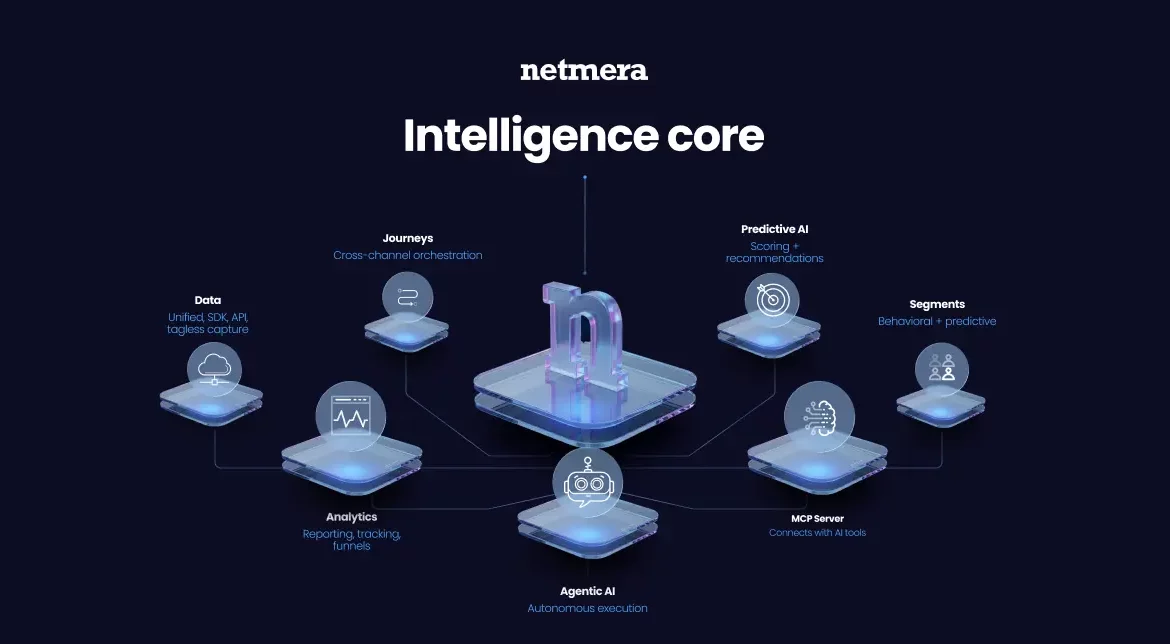
The other side is a customer engagement platform with an activation-first CDP built in. Netmera is one of them. Marketers, product managers, app managers, CRM, retention, and CX teams at mid-to-enterprise companies use it to unify and activate customer data, send messages across channels including push, SMS, WhatsApp, in-app, live activities, and email, set automated journeys, and measure results. It’s all in one platform, with the API flexibility real-world integrations tend to need.
If your geofence campaigns are still running on disconnected tools, the fastest way to see the difference is to put your own numbers next to Chippin’s. Schedule a demo and see what a customer engagement platform does for your next location campaign.
FAQ on geofencing marketing and platform capabilities
Geofencing marketing creates virtual boundaries around physical locations using GPS or cellular technology. When a user’s device enters or exits these boundaries, it triggers push notifications. Effective geofencing connects location signals with complete customer data to deliver personalized messages across channels.
Geofencing works best when location triggers access unified customer profiles in real time. Platforms like Netmera combine location with purchase history, browsing behavior, cart status, and channel preferences. This allows teams to send personalized messages that are more likely to convert and retain.
Geofencing creates precise virtual boundaries and triggers messages when users physically enter or exit those zones. Geotargeting delivers ads or content based on broader location data like city or zip code without requiring boundary crossing.
Yes. One of them uses Netmera’s location-based personalization combined with gamification features to increase user engagement and loyalty. The approach drove 15% growth in foot traffic and 25% increase in loyalty program participation
Geofencing strategy combines location triggers with behavioral segmentation and cross-channel orchestration. Layer location with customer data like purchase history and cart status. Build geofences into automated journeys that adjust based on user actions. Measure performance alongside other triggers to isolate location’s true impact.
Compare geofence campaigns against their own baseline. Track open and conversion rates, revenue per message, and average time in app at the campaign level, then measure location-triggered lift against time-based and behavioral campaigns to isolate what location contributes on its own.
Burcu Ulucay – Content Marketing, Netmera