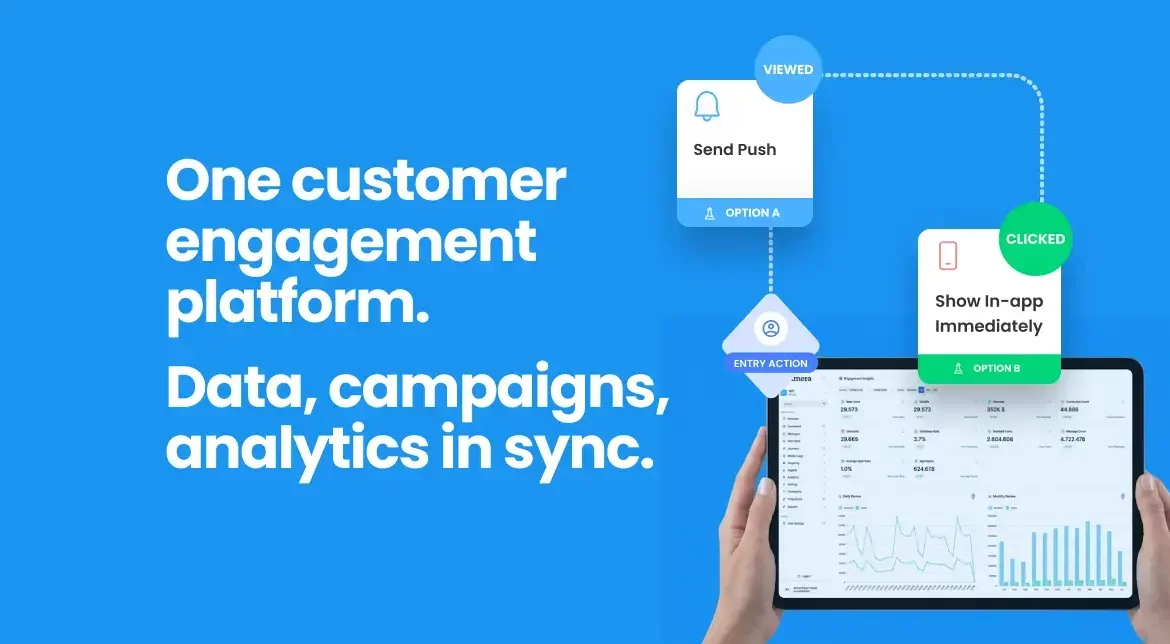
What is a customer engagement platform, and how to choose the right one
Last update: Oct, 2026
TL;DR: A customer engagement platform lets a marketer see when a user’s behavior changes, build a segment on that signal, and launch the campaign, without needing a data team or another tool. Choosing the right one means evaluating real-time behavioral data, no-code segmentation, channel coverage, journey orchestration, and analytics.
With this type of customer engagement platform, banks recover a 10% conversion rate on a stalled step. Fintech apps shrink an at-risk churn segment by 16.6%. Retail loyalty programs generate up to 60 times more revenue per message through geofencing. Media platforms lift retention by 20% through personalized push at scale.
Your fintech app’s analytics flag a drop-off at step 3 of the loan application. You know where users are leaving. The next move is to act on it: build a segment, fire a campaign, reach the user while the intent is still fresh.
In a fragmented stack, that means exporting the segment, briefing the campaign team on who qualifies and why, and waiting for that team to build the send in a separate tool. A customer engagement platform is built to close that delay between knowing and acting.
Which means the right platform doesn’t just store behavioral data or send campaigns. It makes both capabilities available in the same system, so the moment you identify a behavioral signal is also the moment you can respond to it.
Below, we look at what makes a platform omnichannel, the five capabilities worth checking for before you buy, and the questions to ask any vendor claiming to be one.
What a customer engagement platform is (and what it isn’t)
A customer engagement platform reads a user’s behavior, decides what to send them based on it across channels, and measures whether it worked, all from the same behavioral profile.
Plenty of tools offer push, email, SMS, and in-app messaging and call themselves customer engagement software. But they still require a data team to build the segment, a separate tool to run the journey, and a third dashboard to measure what converted.
A platform that fragments those capabilities is not genuinely a customer engagement platform. Point solutions have their place, but coordinated, cross-channel engagement requires the data and the execution to share the same layer.
That’s the architecture Netmera is built on. Tagless Data Capture collects behavioral events automatically from mobile apps and websites, without requiring manual developer instrumentation. SDKs, APIs, and webhooks bring in data from CRMs, stores, and backend systems, so all of it lands in the same profile regardless of source.
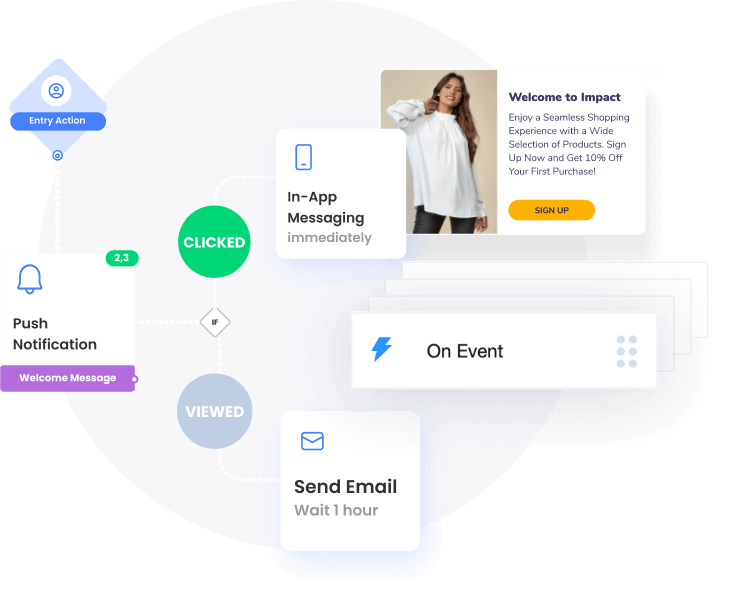
When a user’s behavior crosses a threshold you’ve defined, Journey Builder fires the response. Marketing and CX teams build and launch campaigns independently, without waiting on data or engineering resources.
What makes an omnichannel customer engagement platform omnichannel
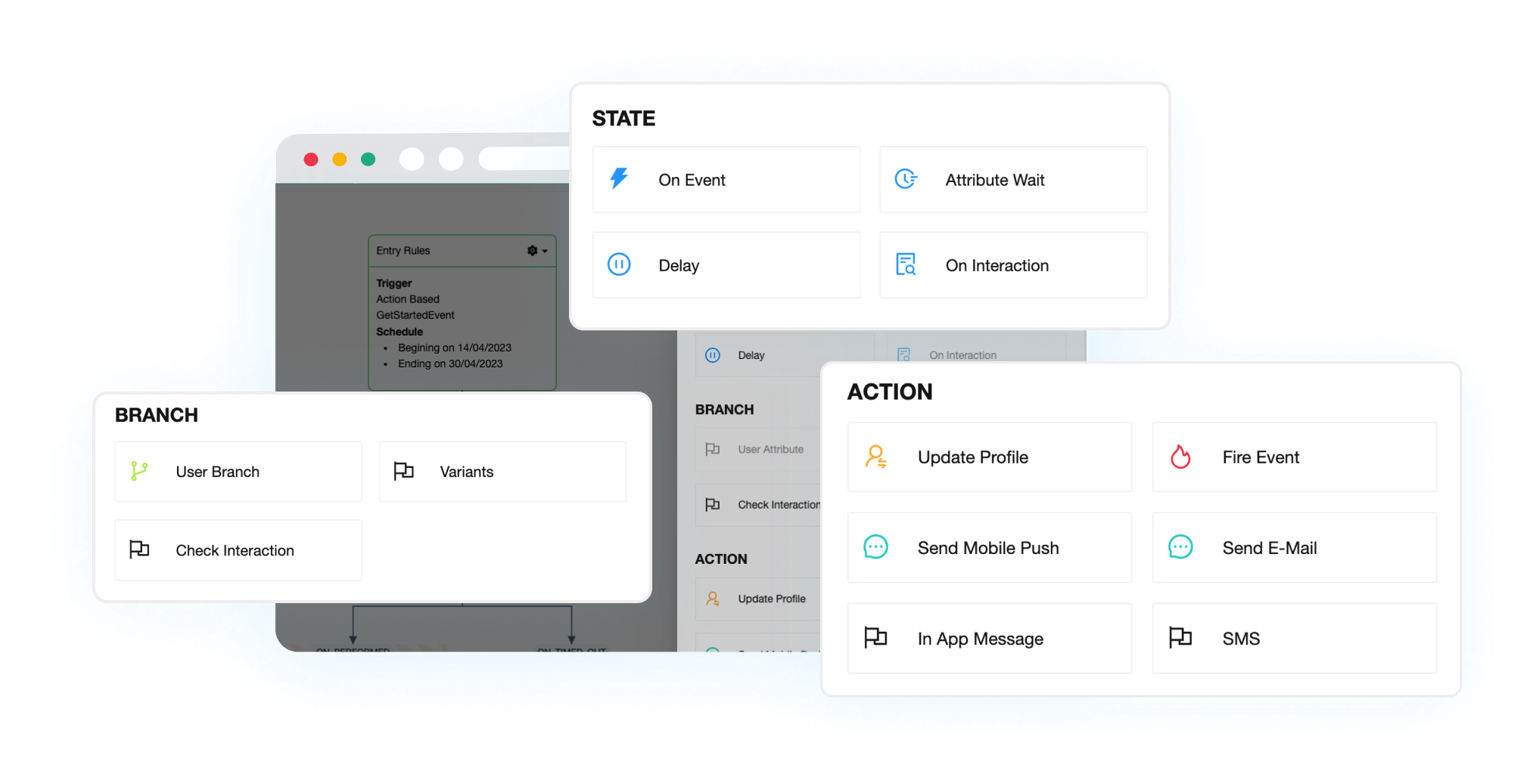
Omnichannel capability requires three things to live in one place. First, a unified behavioral profile that updates in real time. Second, a single delivery environment where push, in-app, SMS, email, Live Activities, WhatsApp, web popups, and geofencing all run from one journey canvas. Third, measurement and reports that show how campaign actions contribute to business outcomes.
According to Elementor’s 2025 ecommerce research, companies with strong omnichannel engagement strategies grow revenue 179% faster than those without. The gap comes down to whether channels share a data model, and which channels the platform was built around.
In banking, fintech, and media, mobile customer engagement runs on push and in-app, channels that carry transactional weight. Platforms built on email infrastructure and later extended to mobile treat these as secondary, which leads to data latency, degraded in-app message rendering, and unreliable firing of behavioral triggers when user intent is still active.
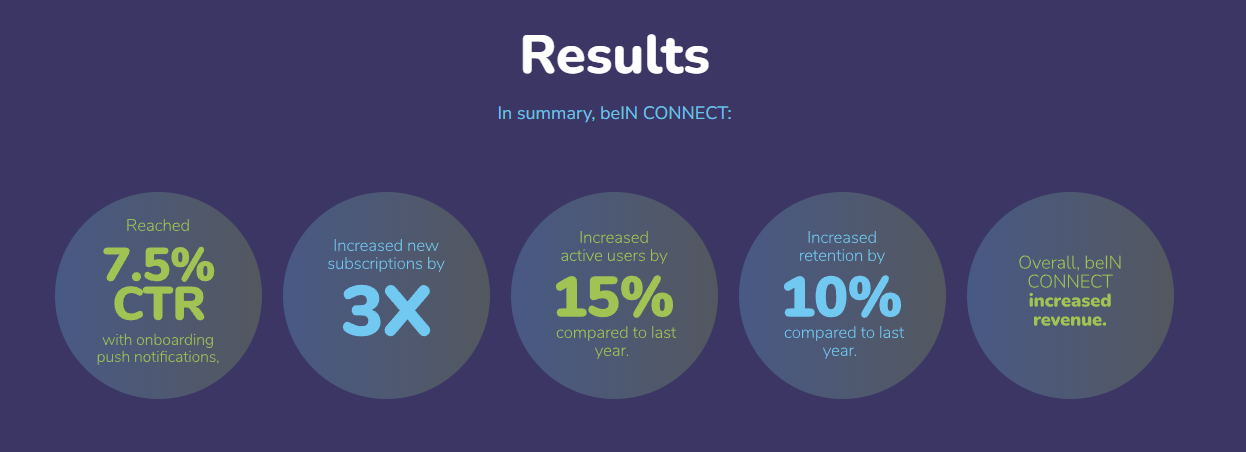
Case study: beIN CONNECT ran churn prevention, win-back, and content engagement campaigns across email, mobile push, and web push through Netmera, all drawing from the same behavioral profile. New subscriptions tripled, active users grew 15%, and retention improved 10%.
Their user data was already in Netmera, so behavioral segmentation was the starting point. From there, they reached each segment across all three channels without leaving the platform.
Features to look for in a customer engagement platform
Below, we looked into five capabilities you’d expect from a customer engagement platform. Not because Netmera has all of them. Over more than a decade working with 100+ brands, these are the gaps customers describe when a martech stack falls short, the same feedback that’s shaped how we build and develop the platform.
Unified behavioral data
A single customer profile that updates in real time from mobile apps, web, CRM, and offline sources. Profile attributes capture user state such as membership tier, consent status, language preference. Events capture app opens, product views, purchases, and cart additions.
Real-time customer engagement only works if the data layer keeps pace with the user. Consider a telecom user who checks their data balance twice without upgrading, then opens a support chat about data consumption limits. Each signal arrives in Netmera from a different source: the app SDK, the web session, the CRM ticket. The profile already shows two high-intent visits with no conversion. A churn risk segment picks them up. A retention campaign goes out the same day.
No-code segmentation
Segment rules built on behavioral events and profile attributes, with AND/OR logic and no SQL required. Recent actions, session patterns, lifecycle stage, and channel preferences can all live in a single rule.
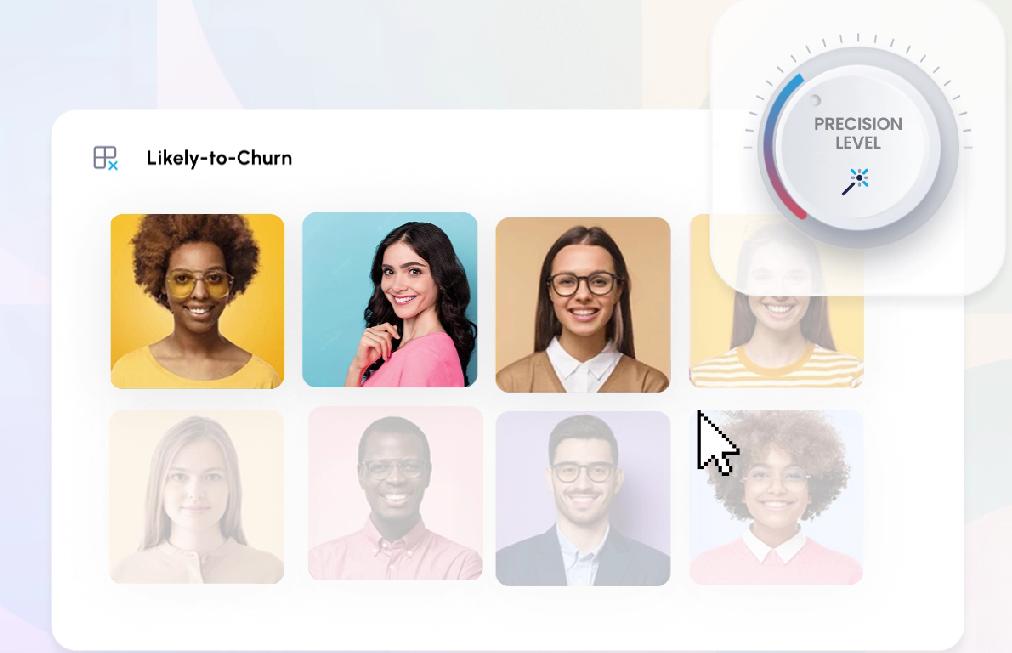
Beyond rule-based filters, predictive segments surface churn risk, purchase intent, and high-value users automatically. In Netmera, predictive segments are trained on your users’ behavioral data and updated nightly.
Teams we work with take a raw signal, a user who hasn’t opened the app in 10 days, and turn it into a live segment they can message in under an hour, without filing a data request.
Native channel breadth, built mobile-first
Push, in-app, SMS, email, WhatsApp, web popups, and geofencing from one platform. The distinction here is architecture: channels built into the data model from the start mean a user’s push opt-in status and email consent live in the same profile that informs the same journey.
Journey orchestration with real-time branching
Multi-step flows that adapt based on what users do. A user who converts exits the journey. A user who goes quiet takes a different path. A/B testing runs at the step level, so you test the specific decision point without rebuilding the whole flow.
Among our customers, Journey Builder sees its heaviest use in three scenarios: onboarding sequences, churn recovery flows, and feature adoption campaigns.
Two controls that teams love using: message capping, which ensures users don’t receive unnecessary messages across active journeys, and engagement windows, which prevent messages from going out during hours a user won’t see them.
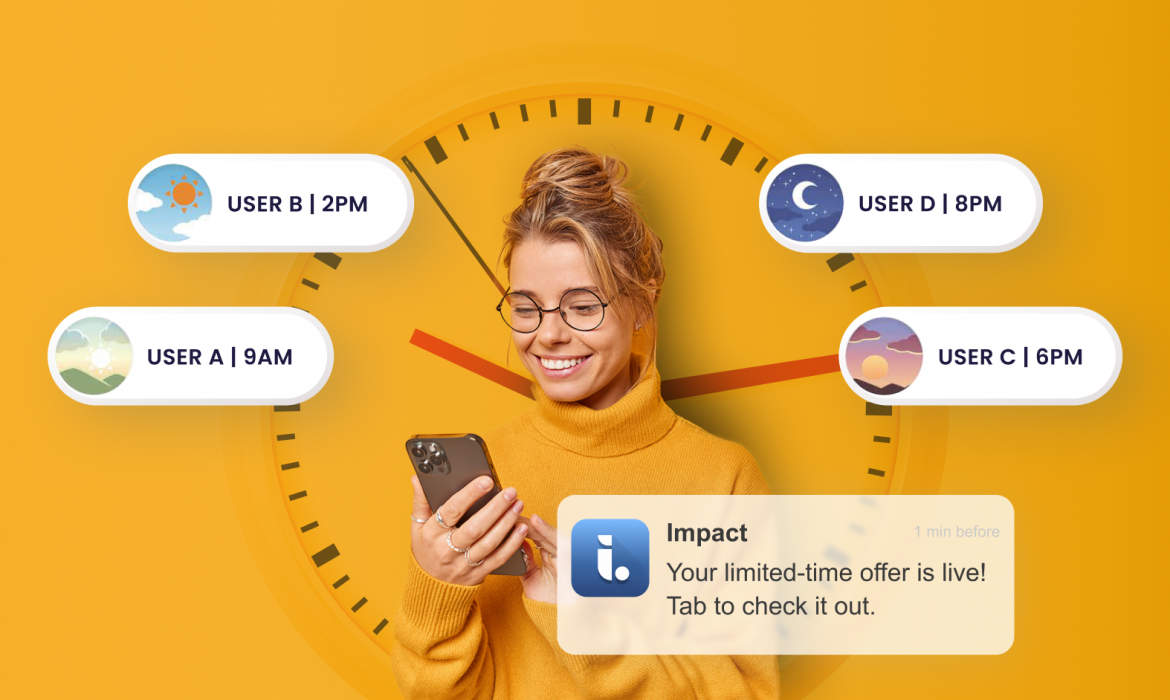
For send timing, AI Time Optimization learns each user’s peak engagement hours and schedules sends accordingly, so the message arrives when the user is most likely to act.
Analytics with funnel and revenue visibility
Funnel visibility, post-click behavior, and revenue KPIs including ARPU, App Conversion Rate, and Hot Revenue live in the same dashboard where campaigns are built and adjusted.
Channel insights, daily and monthly metrics, and AI-generated commentary all sit on one screen, so you know right away if a campaign hit its target.
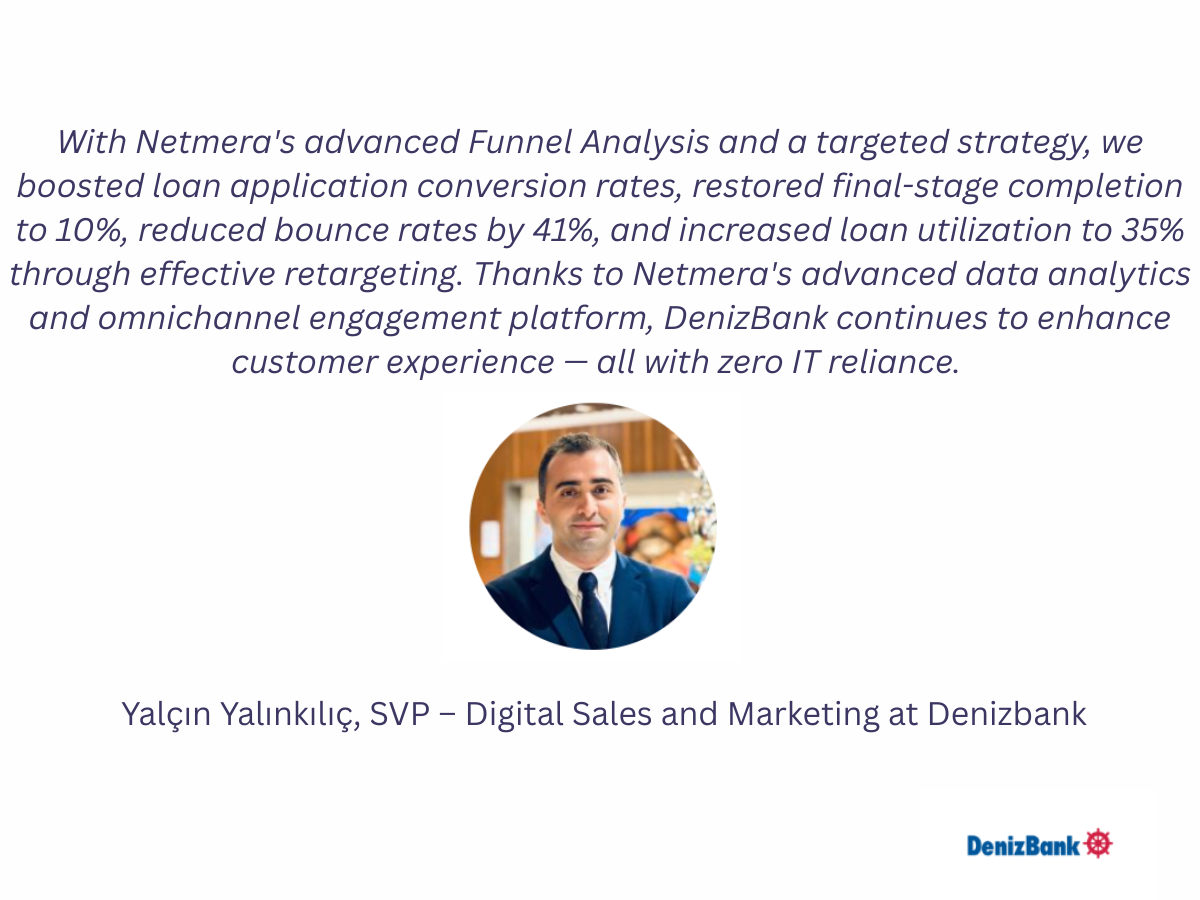
Case study: DenizBank’s funnel analysis in Netmera flagged a drop-off in loan applications. Step-level visibility revealed the cause: Android users with outdated devices were hitting a continuous loading screen on the contract view, a bug invisible at the surface level.
A retargeting push to the affected segment through Netmera restored the 10% conversion rate, cut the bounce rate by 41%, and brought loan utilization to 35%.
How to evaluate customer engagement solutions
These are the questions Netmera’s product and sales teams hear most from customers and prospects evaluating customer engagement solutions.
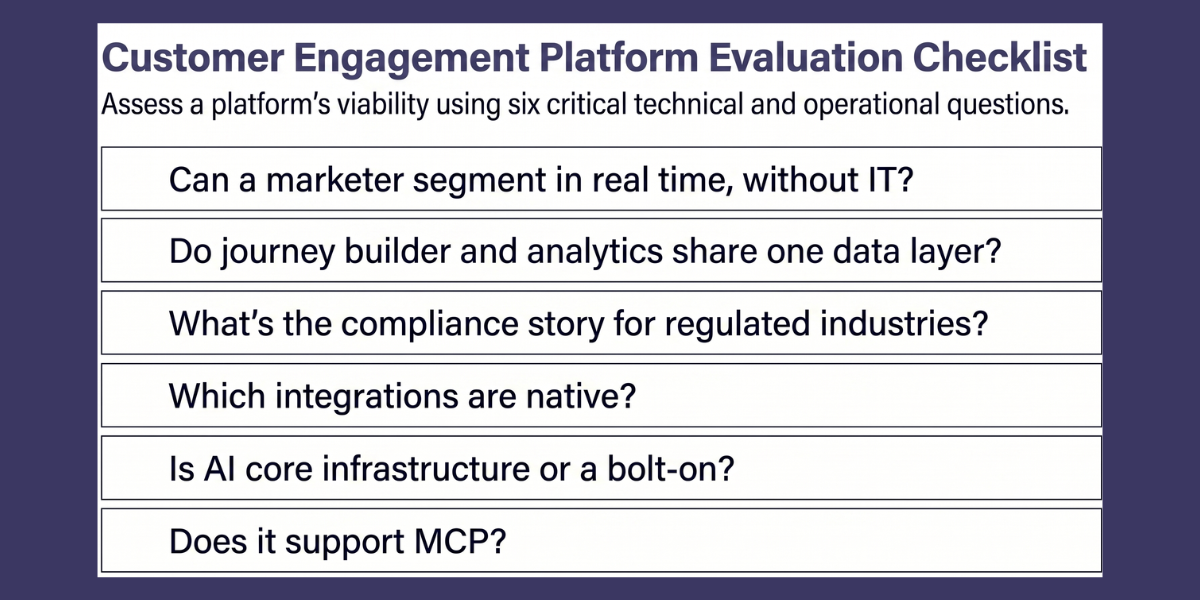
Where does the behavioral data live, and who can access it?
If the answer requires a data team to run a segment, the platform is not built for marketing team independence. The specific test: can a marketer build a segment from a behavioral event that happened 15 minutes ago, without IT involvement?
Is the journey builder reading from the same data layer as the analytics?
If campaign performance reports live in a separate tool from the journey builder, the team is always running one campaign behind. Insight from campaign A should feed campaign B in the same system, without manual coordination in between.
McKinsey found that 47% of martech decision-makers cite stack complexity and system integration challenges as their primary blocker to getting value from their tools. A fragmented orchestration layer is one place where complexity shows up.
What does the platform do for regulated industries?
Banking, fintech, and telecom teams need more than standard compliance checkboxes. Ask about on-premises deployment options, regional data residency, and consent management built into the platform.
Does it connect to tools your team already uses?
Ask which integrations are native and which require custom work. A platform that connects cleanly to your analytics tools, attribution partners, and commerce stack means your team isn’t rebuilding data flows every time they add a channel.
Is AI built into the platform’s infrastructure, or added on top?
Ask whether capabilities like predictive segmentation, send-time optimization, and churn scoring are part of how the platform processes data, or whether they’re a separate module that queries it. The answer affects reliability, latency, and how well those features perform at scale.
Can it connect to AI tools you already use?
Some platforms are starting to support MCP, which lets teams query campaign data, segment sizes, and funnel performance directly from tools like Claude, without switching dashboards. Ask whether this is available currently or on the roadmap.
Netmera on data, compliance, AI integration, and time to launch
In Netmera, behavioral data is accessible to marketers in real time from the same interface where campaigns are built. Journey analytics and campaign execution share one dashboard. On-premises deployment is available for regulated industries, with GDPR, KVKK and IYS compliance built in.
On the AI side, predictive segments and time optimization run on behavioral data collected by Netmera across your app, web and offline sources. N-Assistant, the AI assistant built into the Netmera panel, answers questions about your campaign and audience data and recommends what to do next in priority order. Netmera’s MCP server connects the platform to whichever tool your team is using, such as Claude or ChatGPT, without any additional development work.
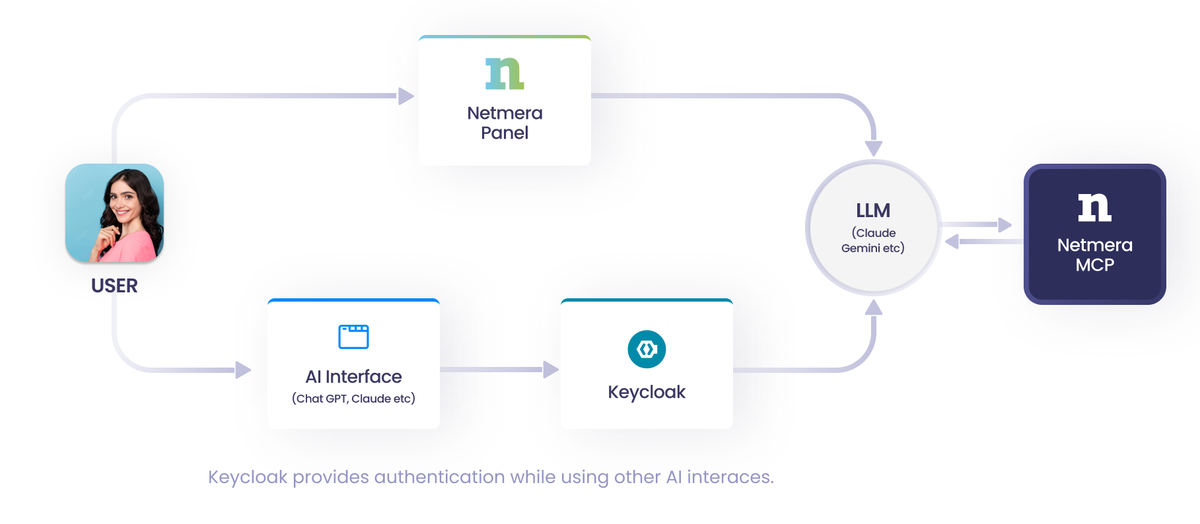
One more question worth adding to the list: how long does it take before your team can launch a campaign? Every month spent on implementation is a month of behavioral data your team can’t act on. Netmera’s SDK integration and first-campaign setup typically completes in 4–8 weeks, depending on app complexity and product scope.
Customer engagement platform results: Real examples across industries
The use cases below come from four different industries. What made each one work: the marketer who spotted the signal was also the one who could send the campaign, without waiting on anyone or anything.
Ecommerce: Passo
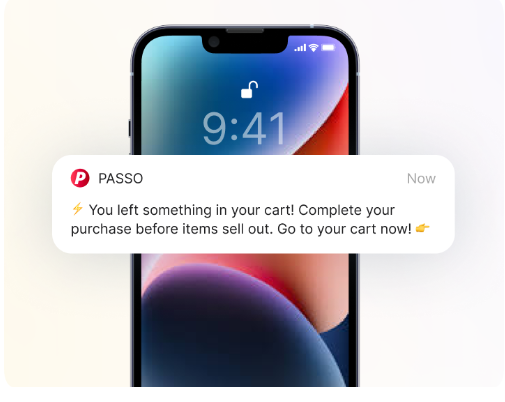
Passo wanted users who came for event tickets to also discover Dükkan, an in-app marketplace. A three-stage automated push funnel built on Netmera triggered after signup, after browsing without adding to cart, and after cart abandonment. Revenue increased 9x. CTR lifted 10x. Time in the app grew 49%.
Fintech: UPTION
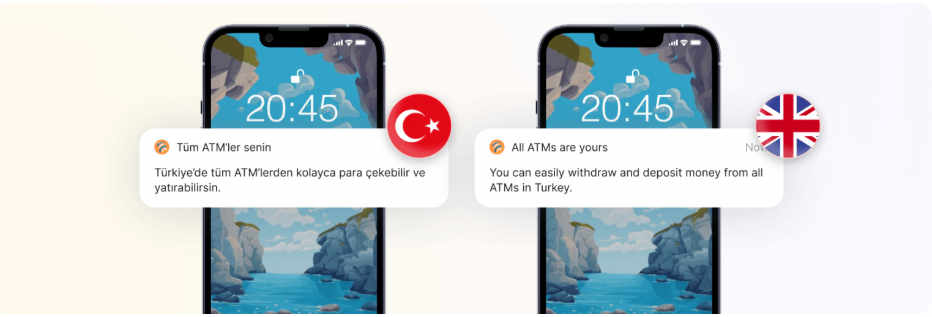
UPTION, a fintech app for international money transfers, was watching early churn signals across thousands of users in three languages. Netmera’s churn prediction identified which users were likely to leave within 30 days.
A journey with branching logic ran recovery sequences automatically, stopping the moment a user returned. The churn segment shrank 16.6%. Among users who entered the journey, 22.6% converted and averaged 14 app opens.
Sports media: Mackolik
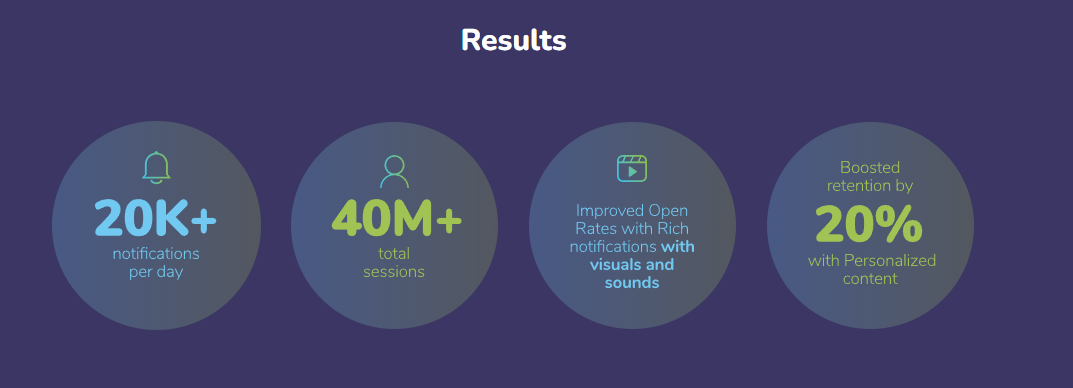
Mackolik, a sports news platform, used Netmera to send over 20,000 personalized push notifications daily, each one segmented by fan preference, delivered with rich media and sound. Total sessions reached 40 million. Retention improved by 20%. The platform’s speed and reliability at scale became a competitive differentiator for the brand.
Retail (loyalty app)
Users paid in-store with Chippin every day, but the app couldn’t greet them when they arrived. They solved this with Netmera’s geofence messages. The moment a user stepped into one of three partner retailers, the message went out with their reward.
Geofence generated 30 to 60x more revenue per message than push in the same period. Running push notifications in parallel kept campaigns visible between store visits, and together the two channels drove roughly 60% of total campaign revenue.
The features on any demo look similar. Segmentation, journeys, analytics. Almost every customer engagement tool has them. What diverges is how those features connect at the data layer. A platform where the segment builder, the journey builder, and the reporting dashboard all read from separate sources will always lag behind one where they share the same behavioral profile.
The marketer decides what to do. The right platform removes every step between that decision and the moment the campaign fires. Customer engagement solutions worth choosing are the ones built around that moment.
See how Netmera’s customer engagement platform connects behavioral data, campaign execution, and analytics in one place. Request a demo or explore case studies.
FAQs on customer engagement platforms
Behavioral data and cross-channel campaign execution live in the same place. The segment builder, journey builder, and analytics dashboard all read from one profile. When those three share one data layer, a marketer can move from signal to live campaign without involving a data team or a separate tool.
A CRM stores contact records and tracks sales interactions. A customer engagement platform tracks what users actually do and responds to it automatically. A CRM tells you what happened. A customer engagement platform acts while it’s still happening.
Push, in-app, SMS, email, WhatsApp, web popups, and geofencing all run from one journey builder reading from one behavioral profile. A user’s push opt-in status and email consent live in the same place that informs the same campaign flow.
Channels added via integration rather than built into the data model carry sync delays that compound every time you add a channel or run a cross-channel journey.
Start with data access: can a marketer build a segment from a behavioral event that happened 15 minutes ago, without IT involvement? Then check whether journey analytics and campaign execution share one dashboard. For channel coverage, confirm that push, in-app, SMS, email, and WhatsApp all run from one journey canvas.
On the AI side, ask whether predictive segmentation, send-time optimization, and churn scoring are built into how the platform processes data, or added on top as a separate module.
For regulated industries, also ask about on-premises deployment and regional data residency.
Yes, but standard compliance checkboxes are not sufficient for most banking and fintech teams. Ask specifically about on-premises deployment, regional data residency, and whether consent management is built into the platform or handled via a third-party integration.
The distinction is architectural. Software handles one part of the workflow. A platform connects data ingestion, segmentation, journey execution, and analytics in one system. The test: does the segment builder read from the same data that fires the campaign, and does performance feed back into the same interface where you built it?
Burcu Ulucay – Content Marketing, Netmera