CDP vs Engagement Platform: A Breakdown of Combined Capabilities
Last update: February 2026
TL;DR: Traditional CDPs unify customer data but require separate tools and IT support to act on it. Combined customer engagement platforms integrate data collection, segmentation, campaign automation, and analytics in one system. This post explains when each approach makes sense, compares implementation timelines and costs, and shows how unified platforms eliminate the activation gap that slows marketing teams.
Who should read this: Marketing and product teams evaluating customer data platforms, organizations frustrated by CDP implementation delays, and teams seeking faster campaign launches without expanding IT headcount.
Traditional CDPs deliver on data unification. But when teams try to act on that data, they stumble. Launching a campaign requires IT to build integrations, creating a segment needs SQL knowledge, and connecting channels demands API work. The platform that was supposed to make teams faster creates a new dependency.
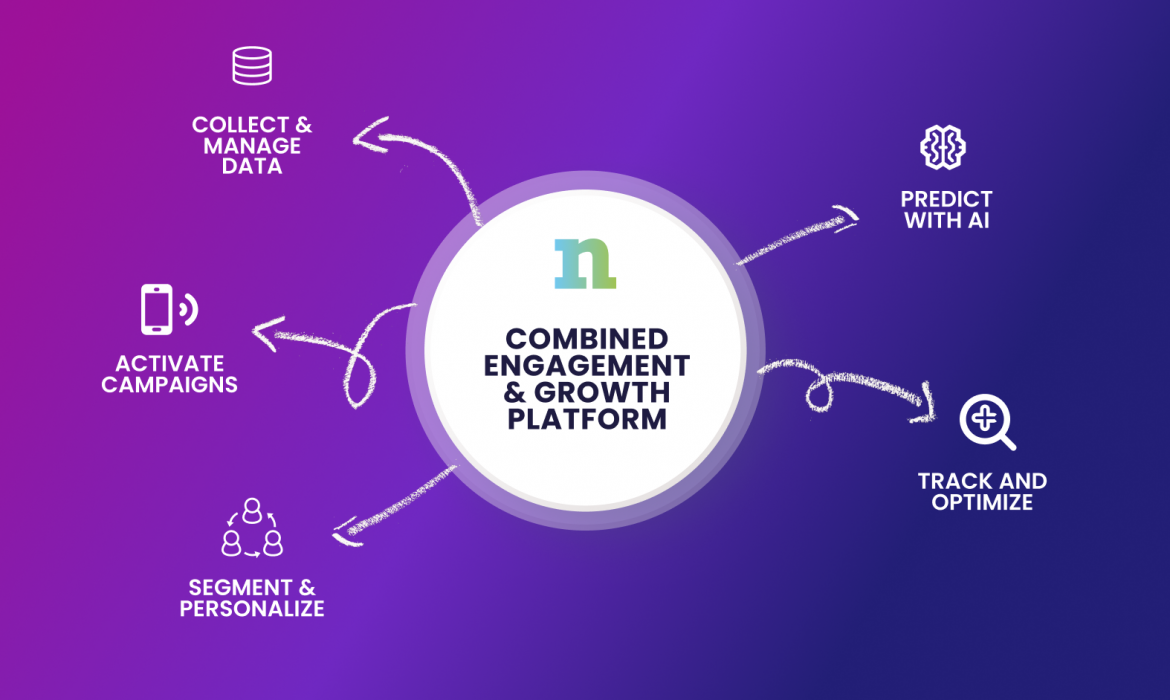
This defines the CDP vs engagement platform decision, but for non-technical marketing teams, it’s more accurate to call it traditional CDP vs customer engagement platform. Combined platforms like Netmera collect and unify first-party data while providing built-in engagement tools, campaign builders, and cross-channel marketing automation. One data platform stores information. The other stores your data and launches mobile marketing campaigns across email, push, SMS, WhatsApp, and in-app channels immediately, without developer support.
The cost of traditional CDPs: Trading one dependency for another
CDPs were built to solve fragmented customer data – the problem of information living in disconnected systems across mobile apps, websites, CRM platforms, and data warehouses. They succeeded at unification. Teams finally got that complete customer view they’d been promised.
Then came the activation problem.
Building a segment? That requires SQL. Launching a campaign across channels? You need custom integrations. Setting up behavioral triggers? API work. Every action that should take minutes stretches into days or weeks waiting for limited IT resources.
This integration burden explains why 65.7% of marketers cite data integration as one of their biggest stack management challenges, according to the 2025 MarTech Stack Survey. Each new tool adds another integration point that requires technical resources to build, maintain, and troubleshoot.
Source: Gartner Peer Community
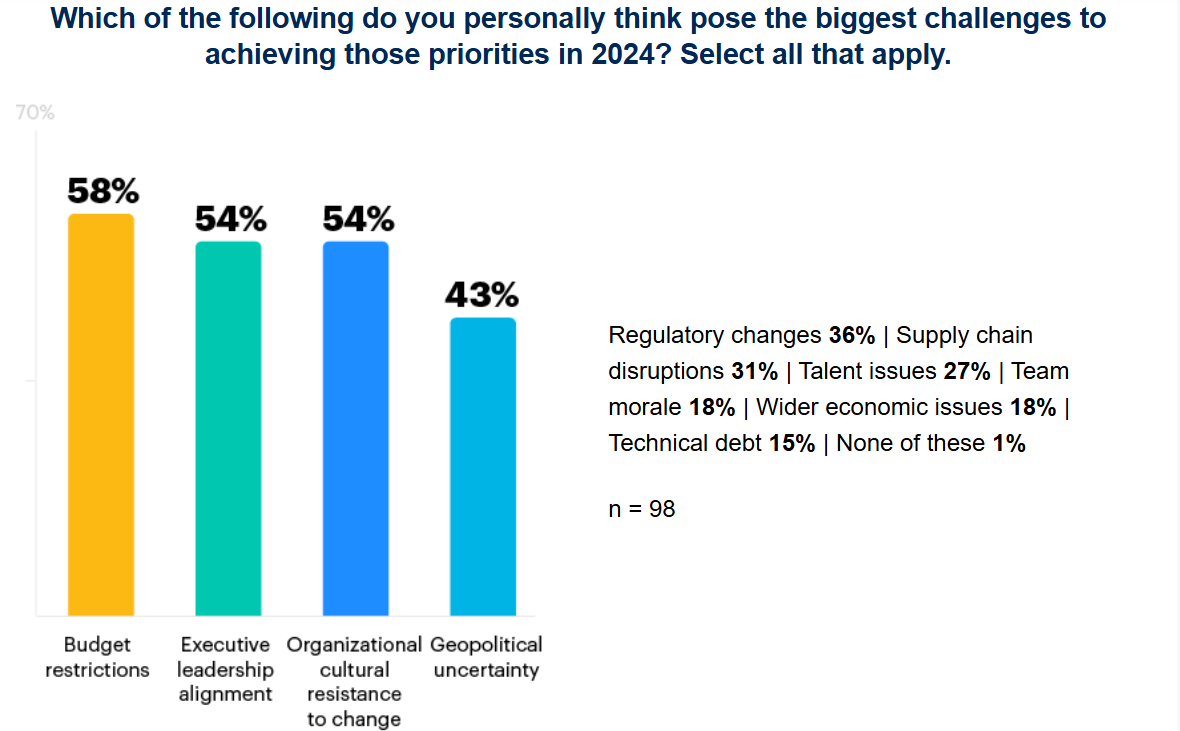
Over half of marketers report budget restrictions as a primary challenge, according to Gartner’s 2024 Marketing Priorities research. When you buy a traditional CDP focused only on data storage, you add extra cost items to your stack. You still need separate platforms for email, push notifications, SMS, campaign automation, and analytics. Each tool requires its own license, integration work, and ongoing maintenance.
Combined platforms explained: Data collection, campaigns, and analytics together
Combined platforms bring together customer data management, real-time activation, and analytics in one system. These data automation services eliminate the need for customer data integration tools by handling collection, segmentation, no-code journey orchestration, and data activation natively.
This marketing data platform approach means mobile marketing campaigns and cross-channel marketing automation run from the same interface where behavioral data is collected. Personalized email marketing, web push notifications, and SMS don’t require separate vendors or complex integrations.
The traditional approach requires integrating a CDP with an analytics tool, then connecting an email platform, a push notification provider, and an SMS gateway. Each integration adds complexity, cost, and delay.
One customer engagement & growth platform with data management eliminates that chain entirely.
How Netmera solves both problems: Unifying data and cross-channel communication
Customer data platform, engagement tools, and analytics live in one product. AI-powered predictive segments identify churn risk and purchase intent from unified behavioral data. Teams build and launch multi-channel journeys based on real-time customer actions, while detailed reports track conversion and revenue impact, feeding insights directly back into campaign optimization.
One data scientist at an enterprise company put it this way in a recent G2 review: “Netmera helps us consolidate customer engagement data in one place and makes it easy to access and analyze. We can quickly retrieve the data we need and gain insights into customer behavior, improving our decision-making process.”
Automated Data Collection from Mobile, Web, and Backend Systems
Netmera’s SDK integrates with mobile apps across Android, iOS, Flutter, Huawei, React Native, and Cordova platforms. Behavioral events (app installs, screen views, button clicks, purchases) and profile attributes flow automatically into the platform.
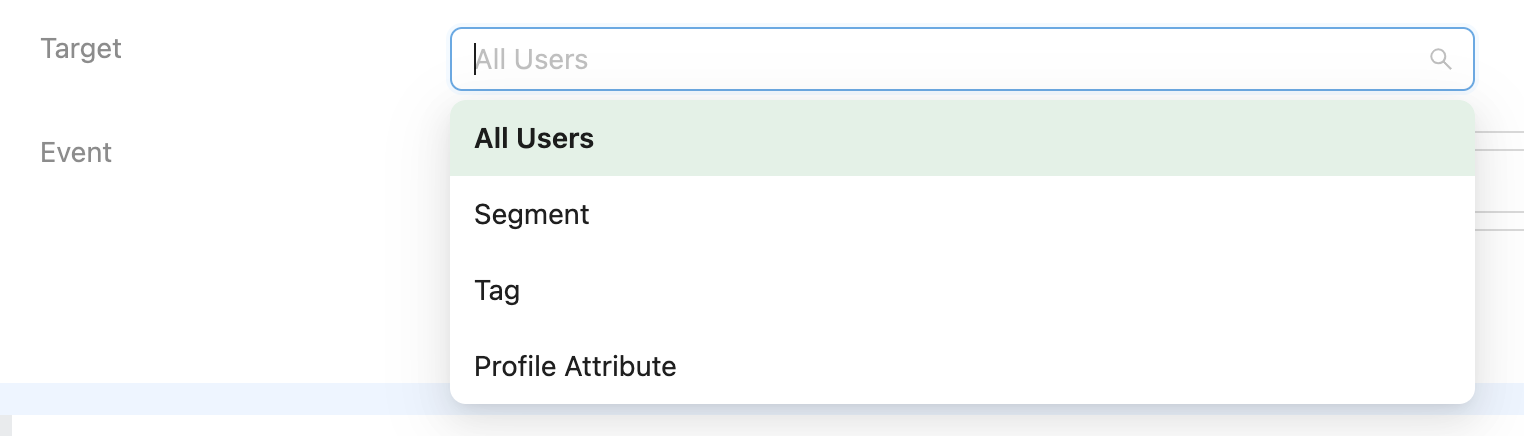
The platform provides flexible fields for Profile Attributes and real-time Events. Profile Attributes capture user state, incuding membership tier, language preference, consent status. Events, on the other hand, track behavior such as product views, cart additions, purchases. Netmera automatically tracks core events (app opens, push receipts, session duration) while letting you define custom events for business-specific actions without SQL knowledge or developer time.
Tagless Data Capture automatically collects behavioral data with minimal code. This mobile data collection platform capability transforms how teams capture first-party data. Instead of waiting for developers to instrument tracking tags, behavioral data flows automatically, giving you a real-time customer data platform foundation without engineering bottlenecks.
Backend integrations work both ways. REST API and FTP connections move customer events, messages, and profiles between Netmera and your CRM, data warehouse, or third-party tools like Adjust. The platform pulls data from existing systems and pushes enriched profiles back out. This gives teams a complete, unified view of customer behavior without technical bottlenecks.
Create adaptive multi-step campaigns with no-code Journey tool
Netmera’s no-code customer engagement platform makes omnichannel campaign tools accessible to non-technical marketing, product and CX teams (even those on lean teams without dedicated developers), and enables cross-channel marketing execution in hours.
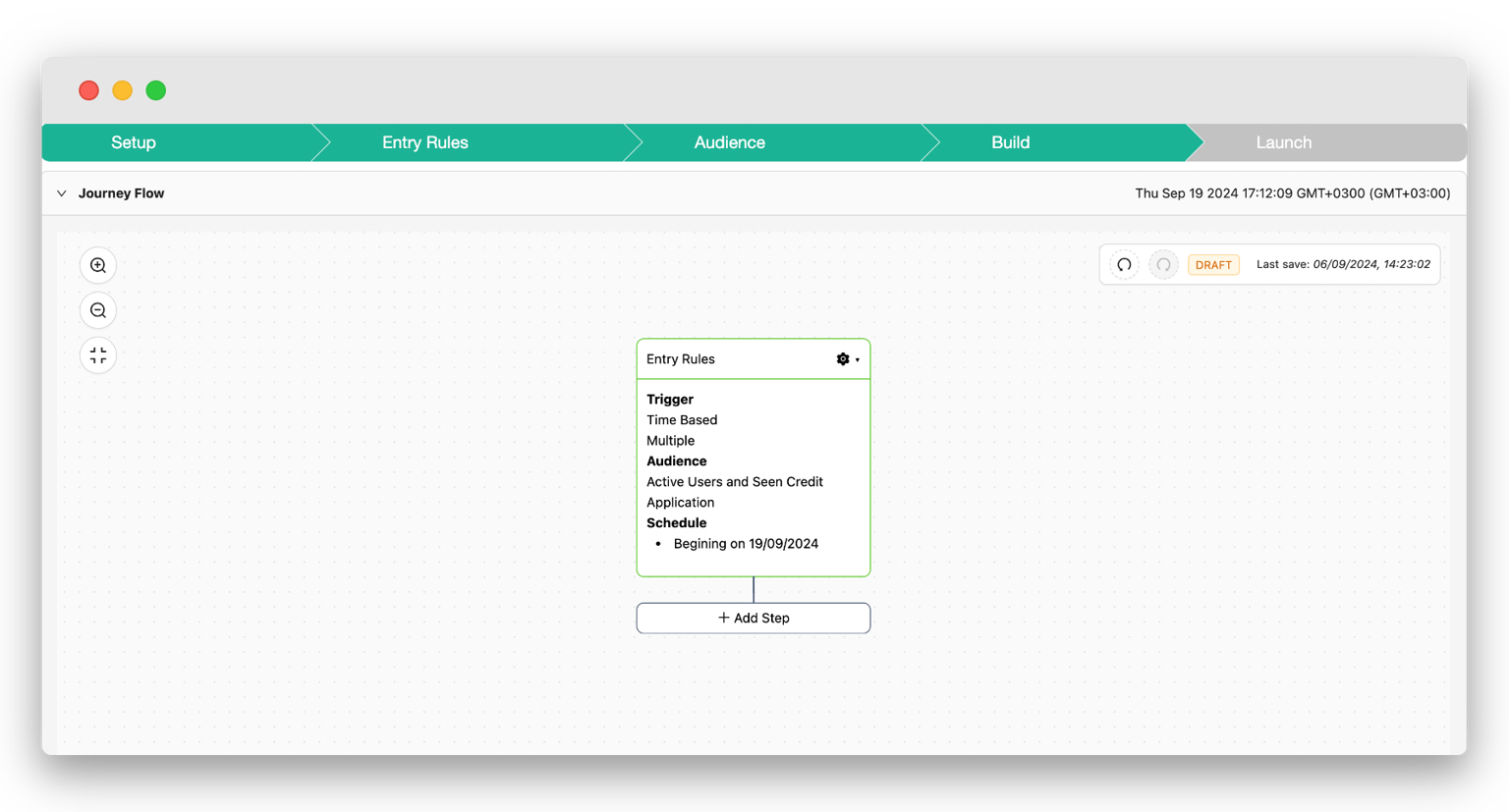
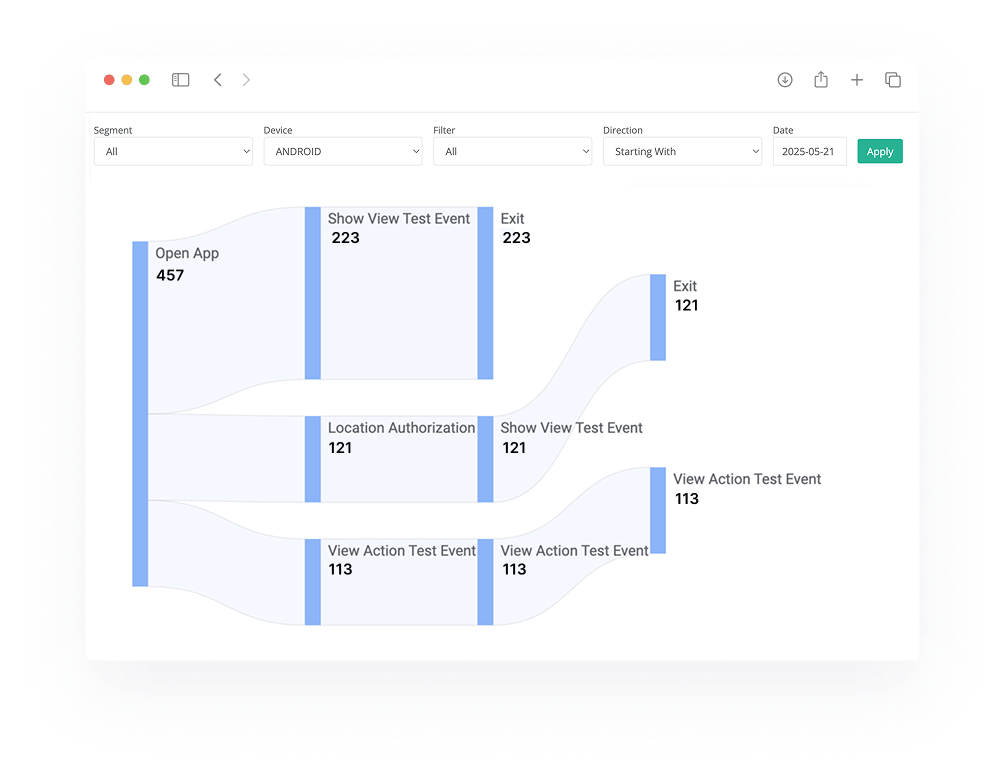
E-commerce example: A customer abandons their cart. With Netmera, you send a push notification after 30 minutes. Four hours later, an email with a discount code arrives. An SMS reminder follows if they still haven’t purchased. When they complete the order, a confirmation message arrives automatically, and the journey ends with a conversion recorded.
If they don’t purchase after all follow-up attempts, the journey reaches an exit point. The platform tracks which step they stopped engaging and flags them for analysis. You see exactly where customers drop off, then refine future campaigns based on those insights.
Turkcell Pasaj implemented a cart abandonment automation using push notifications and saw a 150% increase in monthly revenue. Their conversion rate doubled from 4% to 8%. The project was recognized by the SMARTIES Awards, organized by MMA, with Netmera and Turkcell Pasaj awarded by MMA Turkey and MMA Global for excellence in personalization and customer journey marketing.
Compare that to a traditional CDP approach for a similar journey. The marketer will launch an SMS campaign. The data team writes SQL queries to create the target segment. An integration specialist connects the CDP to the SMS provider. Developers configure message triggers while IT approves access to the SMS gateway. What should take hours stretches into weeks, all because the CDP isn’t built for direct engagement or automatic data tracking.
Traditional CDP vs Combined Engagement Platform: Direct Comparison
The difference between traditional CDPs and combined customer engagement platforms comes down to seven capabilities. Traditional CDPs require ongoing IT involvement for segmentation, integrations, and troubleshooting. Combined platforms give marketing teams independence after initial setup.
| Capability | Traditional CDP | Netmera (Data + Engagement) |
| Data Collection | Requires custom integrations for each source | SDK + Tag Manager with automatic event capture |
| Segmentation | SQL knowledge required | No-code segment builder with AND/OR logic |
| Campaign Activation | Needs integrations to email/push/SMS platforms | Built-in channels (push, email, SMS, WhatsApp, in-app) |
| Journey Orchestration | Requires separate marketing automation tool | Native no-code journey builder with real-time branching |
| Time to Effective Use | 6-12 months (integration + setup) | 4-8 weeks (sdk integration + onboarding) |
| IT Dependency | High (ongoing for segments, integrations, troubleshooting) | Minimal (initial setup and periodic software updates) |
| Cost Structure | CDP license + integration costs + channel platform fees | Single platform fee (some features available as add-ons) |
The fundamental difference: Traditional CDPs store and unify data. Combined platforms store data and let you act on it through built-in campaign tools, eliminating the weeks-long gap between insight and execution.
For Traditional CDP, implementations take six months just to fully complete data integrations while teams wait up to 12 months before everyone can actually use that data to launch initiatives. That effort covers data integration alone, not engagement tools or analytics capabilities.
“With Netmera, integration takes far less time than a traditional CDP,” says Ecem Altan, Onboarding Project Manager at Netmera. “It’s possible to complete SDK integration and scenario setup within four weeks to two months, depending on your app and the products you choose. Our team guides teams through their campaigns and helps refine them step by step.”
How real-time data and no-code tools accelerate campaign performance
Faster testing and optimization
No-code environments enable rapid A/B testing. Marketing teams test message variations, timing, and channels without IT tickets. An underperforming push notification gets replaced with a new version faster.
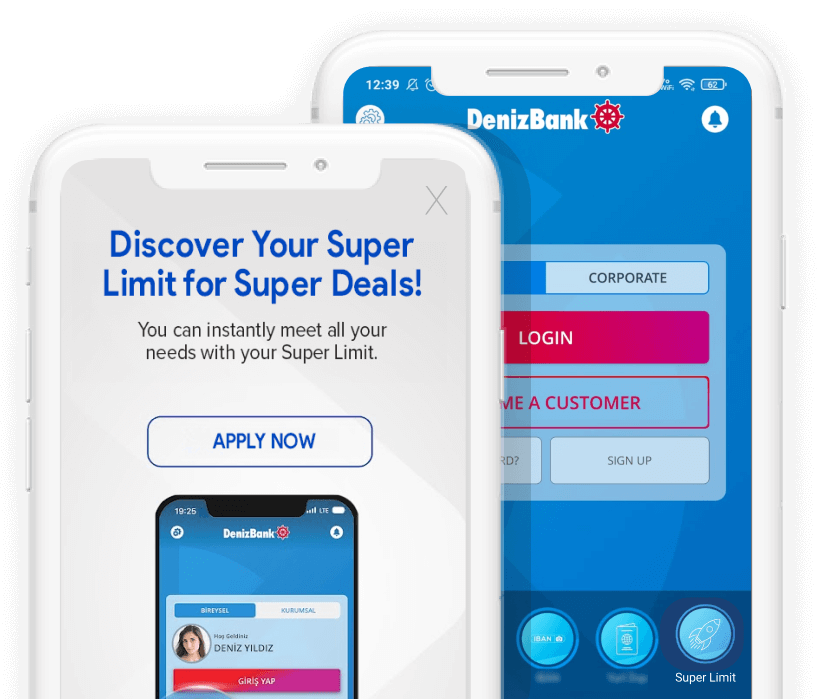
DenizBank used in-app messaging and A/B testing to find the optimal placement for their Super Limit feature. They tested different screens and discovered the login screen captured attention most effectively. A 10x increase in click-through rates. Applications jumped from 34K to 357K monthly. Card sales increased 4x, consumer loan sales rose 6x, and total loan disbursements grew 7x.
Real-time response to customer behavior
Netmera processes customer data using technologies like Kafka to handle massive, real-time data streams without information loss. Events flow from mobile apps and websites into the platform instantly. AI-driven predictive segments analyze behavior patterns to identify customers at risk of churn or those likely to make high-value purchases.
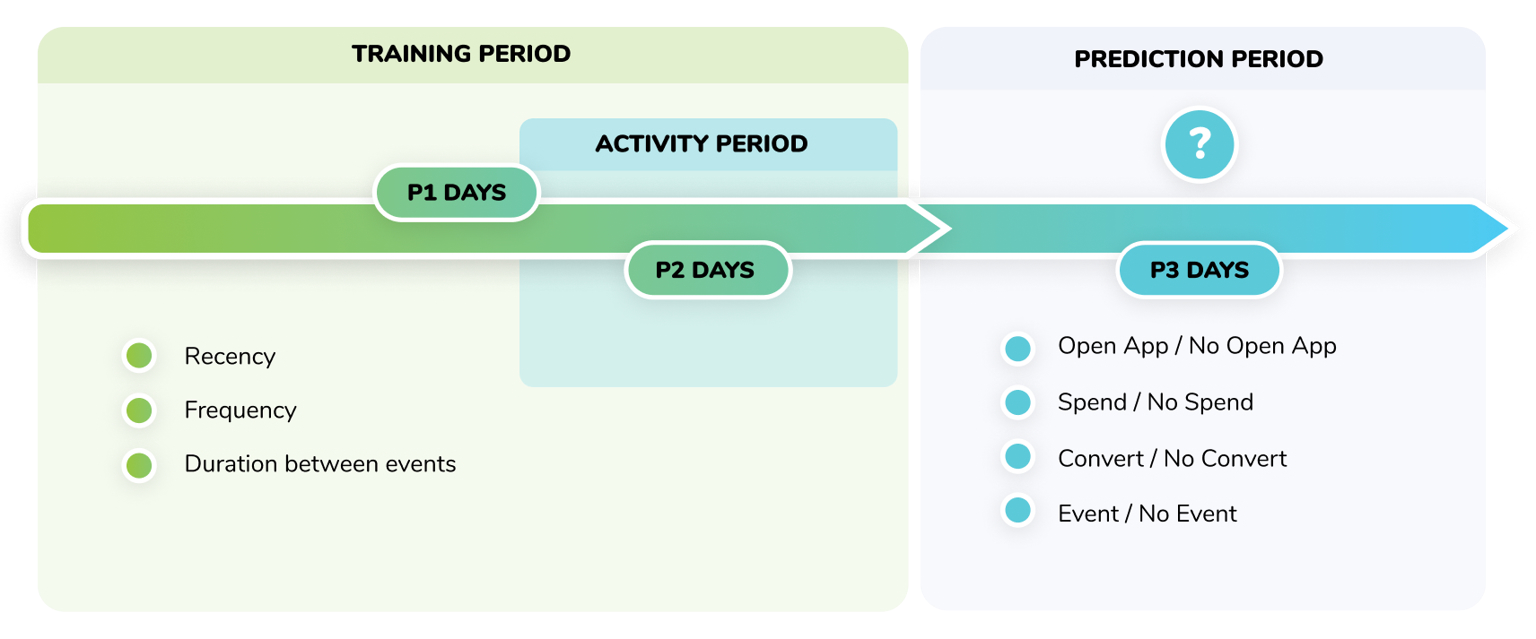
Media scenario: A subscriber’s viewing patterns shift dramatically. They used to watch 3-4 hours daily but haven’t opened the app in 8 days. Their last three sessions ended within 5 minutes (a churn signal). Netmera’s predictive segments flag the account based on engagement drop patterns. An automated journey triggers within minutes, sending a personalized content recommendation via push notification highlighting new releases in their favorite genres. If ignored, an email follows 24 hours later with an exclusive early access offer to upcoming premium content.
The subscriber receives targeted engagement before they start exploring competitor platforms. This is real-time customer data platform capability in action. Data-driven marketing platform insights trigger personalized campaigns across channels instantly, and improve customer engagement and retention without manual intervention.
This approach particularly benefits customer engagement software users in media and streaming, fintech, telecom, and retail who need tools to increase app engagement and conversions without expanding technical teams
Case study: TOD, a streaming platform, faced low push notification opt-ins that limited their ability to engage users with timely content. Using Netmera’s in-app messaging and strategic prompts, they grew opt-ins by 120,000+ devices with a 40% conversion rate for users who clicked “Enable Now.” The impact on revenue was immediate: purchases increased 187-190% among users after push opt-in compared to before. This shows how mobile app engagement tactics powered by real-time customer data directly drive measurable ROI.
When traditional CDPs make sense (and when they don’t)
Traditional CDPs fit specific organizational needs. They work well when a company has a dedicated data engineering team and the primary need is data warehousing and analytics rather than marketing activation. They make sense for organizations that have already invested heavily in best-of-breed channel platforms and want to keep them.
Best customer data platform evaluations often miss this distinction, but the market shift is clear. Between 2024-2025, CDPs dropped from 26.9% to 17.4% as the center of martech stacks (chiefmartec.com’s annual landscape survey). During that same period, customer engagement platforms and marketing automation grew from 19.4% to 26.1%.
It’s not that CDPs are going away. Their capabilities are migrating in two directions: either to data warehouse layers or embedding directly into engagement platforms that nontechnical teams use daily. Traditional CDPs still excel as enterprise customer data platforms when your primary goal is centralized data warehousing for analytics teams. But if your use case is launching lifecycle campaigns without developers, improving app engagement and conversions, or achieving fast onboarding with a customer engagement software, a combined platform delivers faster time-to-value, especially when IT resources are limited or real-time engagement drives the business model (e-commerce, digital banking, media and entertainment).
Signal question for readers: If your team currently waits more than a week to launch a new campaign or segment, you’re likely in the data+engagement platform category.
Evaluating customer engagement platforms with CDP capabilities
Not all combined platforms handle data and activation the same way. When evaluating customer engagement software that includes customer data management, look for these capabilities:
Speed to value: Can you complete quick implementation and launch campaigns within weeks? Customer engagement tools should offer SDK integration and scenario setup in 4-8 weeks. Ask how much IT involvement the platform requires after initial setup.
No-code accessibility: Can non-technical marketing teams build segments, design journeys, and launch omnichannel campaigns without writing SQL or filing developer tickets? The platform should let product and marketing teams manage push, email, and SMS in one dashboard independently.
Built-in analytics and ROI tracking: Does the platform provide measurable ROI through revenue tracking, funnel analysis, and A/B testing? Customer engagement platforms with built-in analytics eliminate the need for separate attribution tools.
Scalability and reliability: For mid-size enterprises and growing apps, confirm the platform offers enterprise-grade security, handles high-volume apps, and provides scalable engagement tools that don’t require expanding your IT team as you grow.
Industry fit and proof points: Look for customer engagement platform case studies from your sector. Netmera serves banking, fintech, telecoms, retail, and media companies. Our case study library includes examples from fintech and telecom companies demonstrating real-time personalization, retention improvements, and conversion increases.
Netmera serves digital marketing and product management teams in mobile-first companies, particularly in banking, fintech, ecommerce, telecoms, retail, and media and entertainment sectors. These teams want to increase revenue from digital channels without expanding IT headcount. See how Netmera unifies data and activation in one platform.
FAQs
Traditional CDPs collect and unify customer data. Engagement platforms activate that data through campaigns and messaging. Combined platforms like Netmera integrate both, collecting first-party data and launching cross-channel marketing automation in one system.
Not with a combined customer engagement platform. Traditional setups required both: CDPs for customer data management, engagement platforms for campaigns. Combined platforms unify data collection, segmentation, campaign tools, and analytics in one product. Teams access behavioral data and launch mobile marketing campaigns without switching systems.
Traditional CDPs take three months for data integration alone, with teams waiting up to 12 months before full adoption. Combined platforms like Netmera complete SDK integration within a month or less. Teams start engaging customers immediately after setup.
Yes. No-code tools handle segmentation, campaigns, and journey building. Non-technical marketing teams create segments using visual builders instead of SQL. IT handles initial SDK integration and periodic updates. Daily campaign work, including personalized email marketing, web push notifications, and SMS, runs independently without engineering resources.
Traditional approaches require CDP licensing plus separate fees for email, push, SMS, automation, and analytics. Combined platforms include all channels under one fee. You eliminate integration costs and reduce IT maintenance time.